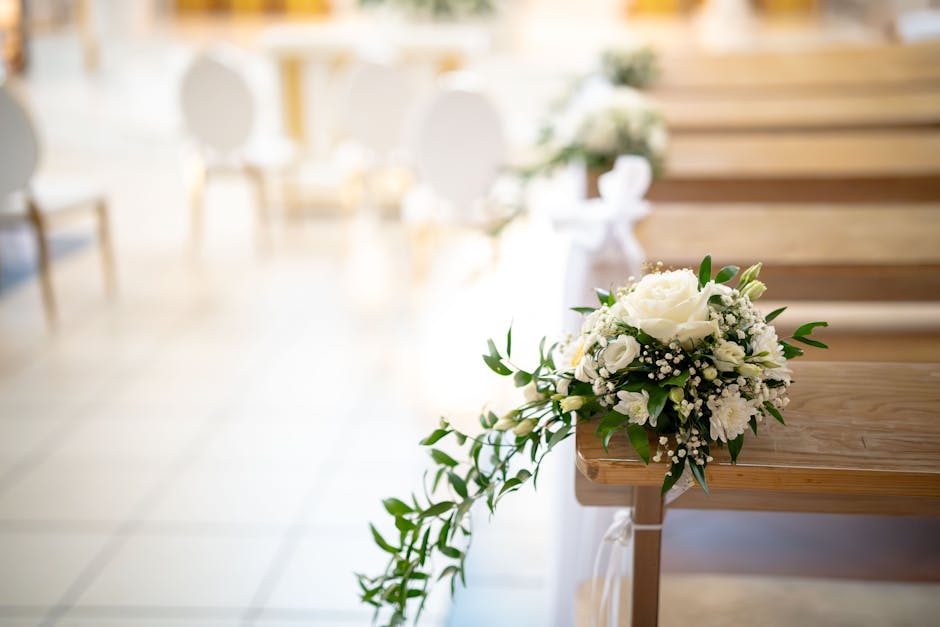
Wedding flowers for Centre Court ceremonies Wimbledon
Posted on 05/10/2026
Wedding flowers for Centre Court ceremonies Wimbledon: a practical guide to elegant, venue-ready floral design
If you are planning Wedding flowers for Centre Court ceremonies Wimbledon, you are probably balancing two things at once: wanting the day to feel unmistakably special, and needing the flowers to work beautifully in a real venue with real timing, access, and weather considerations. That is the bit people forget until the last minute. Wimbledon can feel polished and formal, but the best wedding flowers still need to be easy to place, easy to transport, and easy to enjoy without getting in the way.
This guide walks through how to choose the right flowers, how they are typically planned and delivered, what works best for a Centre Court-style ceremony setting, and the mistakes that can quietly spoil an otherwise perfect floral plan. Whether you want a simple, refined look or something a little more luxurious, you will find practical advice here. And yes, we will keep it grounded, because nobody needs floral fluff for the sake of it.
Why Wedding flowers for Centre Court ceremonies Wimbledon Matters
At first glance, flowers might seem like the finishing touch. In a venue-led ceremony, though, they often shape the whole mood. The entrance, the aisle edge, the registrar table or ceremonial focal point, the bouquet in your hands, the buttonholes on jackets, the table flowers afterwards - all of it contributes to how the day feels in the room, and in the photographs.
For Centre Court ceremonies in Wimbledon, the floral brief usually needs to do more than simply look nice. It has to suit a space that may already have strong visual character, a schedule with limited setup time, and guests arriving with fairly high expectations. That means the flowers should feel composed, elegant, and intentional rather than overstuffed or noisy. A well-chosen bouquet or arrangement can make a room feel calm. A poorly chosen one can make it feel crowded. Little difference, big effect.
There is also a practical side. Wimbledon weddings often involve a short window for delivery, positioning, and final checks. The arrangements must hold up well, especially if they are being moved between a holding area and the ceremony space. To be fair, this is where experience matters more than trend-following. The prettiest flowers in the world are not much use if they wilt, clash with the setting, or arrive too late to be placed properly.
Expert summary: for Centre Court ceremonies, the best wedding flowers are not simply the most extravagant ones. They are the ones that look refined, travel well, suit the room, photograph cleanly, and leave you feeling composed rather than rushed.
How Wedding flowers for Centre Court ceremonies Wimbledon Works
In practice, floral planning starts with the ceremony layout. You need to know where the focal point will be, how guests will enter, where the couple will stand, and whether the space calls for symmetry or a more relaxed organic look. A narrow aisle, a compact signing area, or a more formal room all point to different design choices. There is no one-size-fits-all answer, and honestly, that is half the point.
Most wedding floral plans for a Wimbledon ceremony are built around a core set of pieces:
- Bridal bouquet for the bride or primary partner
- Bridesmaid bouquets for the wedding party
- Buttonholes for the groom and close family members
- Ceremony arrangements for the aisle, entrance, or signing table
- Table arrangements if the flowers continue into a reception setting
The key is coordination. A bouquet should not look like a separate project from the ceremony arrangements. Buttonholes should complement the main flowers without copying them too literally. And if you are using mixed textures - say roses with lisianthus, orchids, or hydrangeas - the colour palette should stay coherent across the whole event.
Delivery timing is another important part of how it works. In Wimbledon, the practical ideal is usually a delivery plan that allows enough time for the flowers to be checked, stored, and set in place without last-minute panic. If same-day or next-day delivery is needed, that can work for some items, but wedding flowers are usually better handled with a little more notice. You do not want the bouquet arriving while someone is still pinning a buttonhole with one hand and hunting for ribbon with the other. Been there, and no one enjoys it.
When planning a floral order, many couples also look at related wedding items so the look stays unified. For example, a coordinated bouquet with matching boutonnieres, bridesmaid stems, or table pieces can keep the whole ceremony visually balanced. On this site, the broader wedding collection is useful when you want to explore pieces that work together rather than choosing everything one by one.
Key Benefits and Practical Advantages
Good wedding flowers do a lot of quiet work in the background. They make the ceremony feel considered, they help photography look more polished, and they can support a theme without turning the space into a theme park. That last bit matters more than people admit.
Here are the main advantages of getting your Centre Court ceremony flowers right:
- They create instant atmosphere. Even a small arrangement can soften a formal room and make it feel personal.
- They help the ceremony flow visually. Guests naturally look where the floral focal points are placed.
- They improve photographs. Flowers frame key moments like vows, the signing, and the first kiss.
- They make the day feel cohesive. Matching bouquets, buttonholes, and table flowers give a polished finish.
- They can be adapted to your budget. You do not need to fill every corner to make an impact.
- They can be seasonal and sensible. Seasonal blooms often feel more natural and easier to work with.
There is also a subtle emotional benefit. Flowers have a way of taking a room from "event space" to "this is our day." You see it the moment the main arrangements are in place. The room changes. The air changes a bit too, especially with fresh roses or lilies. It sounds simple, but it makes a difference you will feel on the day.
If you are browsing styles, consider whether you want your flowers to feel classic, modern, romantic, or gently luxurious. A simple white and green scheme can look incredibly elegant at Wimbledon. On the other hand, a stronger palette - deep red, blush pink, or a mix of seasonal tones - can work beautifully if the rest of the styling is restrained. The aim is balance, not shouting.
Who This Is For and When It Makes Sense
This kind of floral planning makes sense for couples who want the ceremony to feel thoughtfully styled, especially if the wedding is taking place in a formal or semi-formal venue setting. It is particularly relevant if you want your flowers to do more than sit in a vase somewhere and hope for the best.
You may be in this group if:
- You are planning a Wimbledon wedding with a clear ceremony focus.
- You want a bouquet and ceremony flowers that coordinate neatly.
- You are working to a tighter schedule and need reliable delivery.
- You prefer elegant, tidy floral styling rather than oversized displays.
- You are building a wider wedding look around white, blush, cream, red, or mixed-colour flowers.
It also makes sense for couples who are trying to keep control of the budget without losing impact. A smart floral plan can concentrate the budget on the pieces everyone will actually see: the bouquet, buttonholes, entrance flowers, and the main ceremonial arrangement. You do not need to cover every surface. Honestly, that is often where the best results come from.
Families helping to organise the day may also find this especially useful. If one person is handling the ceremony flowers and another is dealing with reception details, having a clear structure helps avoid duplication and missed items. It saves arguments too. Not glamorous, but real.
Step-by-Step Guidance
If you are planning wedding flowers for a Centre Court ceremony in Wimbledon, a calm step-by-step process will save time and stress. Here is the simplest way to approach it.
- Define the ceremony style. Decide whether the look is classic, romantic, modern, or understated luxury. This choice drives everything else.
- Map the key spaces. Note where flowers are needed: bouquet, buttonholes, ceremony focal point, entrance, aisle, or tables.
- Choose a colour palette. Pick two or three main colours, then add neutral support tones. White, cream, blush, soft pink, and green are popular because they work easily in formal settings.
- Select the flower types. Roses, lilies, lisianthus, orchids, hydrangeas, and seasonal mixed blooms can each create a different feel.
- Check size and practicality. For compact spaces, choose arrangements that look elegant without blocking sightlines or taking over the room.
- Plan the timing. Decide when flowers will be delivered and who will place them. This is one of those details that sounds dull until it goes wrong.
- Review the full set together. Make sure bouquet, buttonholes, bridesmaid flowers, and ceremony pieces feel like one family.
- Confirm care and handling. Ask how flowers should be stored before the ceremony and whether any stems need water, shade, or last-minute placement.
A sensible planning sequence is often bouquet first, then ceremony focal pieces, then extras like bridesmaid flowers, buttonholes, and table arrangements. That way, the essentials are covered before anyone starts adding nice-to-haves. The nice-to-haves can be lovely, though. Just not at the expense of the key pieces.
If you need wedding bouquet options that already feel coordinated, the bridal bouquet selection is a helpful place to compare styles before deciding on the wider floral scheme. For matching partners in the wedding party, buttonholes keep the look tidy and polished without overcomplicating things.
Expert Tips for Better Results
Here is where the small details start doing the heavy lifting. Most couples can spot the main colour palette, but not everyone notices the practical stuff that makes the flowers feel seamless on the day.
1. Match the floral style to the room, not just the theme
A tall, dramatic arrangement can be stunning in the right setting and oddly awkward in the wrong one. For Centre Court ceremonies, the room shape, table sizes, and guest arrangement matter more than Pinterest trends. Use the space well. Do not fight it.
2. Keep the bouquet manageable
A bouquet should feel beautiful in the hand, not like a gym session disguised as a wedding accessory. If the bride is carrying it for a long entrance or multiple photo sessions, lighter and well-balanced is usually better.
3. Use a hero flower and a supporting cast
One main bloom - roses, orchids, lilies, or hydrangeas - gives the arrangement identity. Supporting flowers add texture and softness. That balance keeps the design elegant rather than busy.
4. Think about the photographs early
Some flowers read better on camera than others. Strong contrast, clean shapes, and fresh-looking petals often photograph beautifully. Very tiny details can disappear in bright ceremony light, especially at midday. Worth bearing in mind.
5. Ask about vase life and staging
If arrangements will be set up before the ceremony starts, make sure they are chosen with that timing in mind. Some flowers hold their best look for longer than others. Simple, yes. Easy to overlook? Also yes.
6. Do not overload the palette
Two dominant shades and one or two accent tones are usually enough. When too many colours compete, the flowers lose focus. A mixed bouquet can still look natural, but it should feel curated, not accidental.
A tiny rule we use often: if the floral scheme looks good in a dim hallway and also in bright daylight, it is probably robust enough for a real wedding day. That sounds a bit ordinary, but ordinary is often what saves the day.
Common Mistakes to Avoid
Most floral mistakes are avoidable if you know where the traps are. The problem is that they are often invisible right up until the ceremony starts.
- Choosing style before practicality. Beautiful flowers that do not suit the timing or space can create avoidable stress.
- Ignoring scale. Oversized arrangements can dominate a small ceremony area, while tiny arrangements can disappear in a bigger one.
- Mixing too many focal points. If every arrangement is trying to be the star, the room gets visually noisy.
- Leaving delivery too late. Even slight delays can cause pressure if the ceremony timetable is tight.
- Forgetting the supporting pieces. Buttonholes, bridesmaid flowers, and table arrangements matter because they help the full look feel connected.
- Picking blooms without checking seasonality. Some flowers are naturally easier to source and keep in good condition at certain times of year.
- Not asking about care instructions. A bouquet can look wonderful at delivery and less wonderful an hour later if no one knows how it should be handled.
One common issue is thinking that "luxury" means "more of everything." It usually does not. Luxury often means cleaner design, better balance, and stronger flowers in better condition. Less, but better. That is the trick.
Another mistake? Trying to make wedding flowers serve too many roles. A ceremony arrangement is not always the same thing as a reception centrepiece, and a bridesmaid bouquet may need different proportions from the bridal bouquet. Different jobs, different shapes.
Tools, Resources and Recommendations
You do not need a complicated toolkit to plan good wedding flowers, but a few simple resources make the process easier. Nothing fancy, just useful.
- Measurement notes: jot down aisle width, table sizes, and available display areas.
- Phone photos of the venue: especially helpful if you are deciding on shape and scale.
- Colour references: a fabric swatch, dress photo, or invitation design can help keep the scheme aligned.
- Timing checklist: write down delivery, setup, and photo session windows.
- Flower care reminders: useful if arrangements will be held before use.
If you want to browse more general flower styles before refining your wedding plan, the wider all flowers range can help you compare colours and textures. For couples working with a budget-conscious plan, the budget range can be useful for identifying where to keep things simple and where to spend a little more.
Other helpful pages include flower care for keeping stems fresh, and delivery for understanding how timing and handling are managed. If you are planning a larger wedding order, it can also help to speak directly via contact us so the details are not lost in translation. Trust me, sometimes a short conversation saves half an hour of email back-and-forth.
Law, Compliance, Standards, or Best Practice
Wedding flowers are not a heavily regulated category in the way food or medical products are, but there are still sensible standards and expectations worth observing. In a venue setting, the main concerns are usually access, timing, safety, and respect for the property rules of the location.
Best practice usually includes:
- Checking venue permissions for deliveries, setup times, and placement.
- Avoiding obstructive arrangements that block exits, walkways, or sightlines.
- Using stable containers and mechanics so arrangements are secure during transport and display.
- Confirming any scent sensitivities if a strong fragrance may affect guests or the couple.
- Following clear handling instructions for live flowers, especially in warm weather.
- Agreeing responsibilities for who places, moves, or removes the flowers after the ceremony.
It is also sensible to be clear about returns, substitutions, and what happens if a particular bloom is unavailable. Natural variation happens. That is part of working with flowers, not a sign of failure. Reputable florists should be upfront about alternatives and should aim to keep the overall style consistent if a substitution is needed.
If sustainability matters to you, ask how flowers are sourced, packaged, and disposed of after use. A wedding can still look polished while being thoughtful about waste. Little choices add up.
Options, Methods, or Comparison Table
Not every wedding flower setup needs the same approach. Here is a simple comparison of common options for Centre Court-style ceremonies in Wimbledon.
| Option | Best for | Strengths | Watch-outs |
|---|---|---|---|
| Minimal bouquet and buttonholes | Small, intimate ceremonies | Elegant, affordable, easy to manage | May feel too plain if the room is large |
| Full coordinated ceremony set | Couples wanting a polished finish | Creates unity across the day | Needs more planning and timing control |
| Statement bouquet with light room florals | Photography-led weddings | Strong visual impact without overcrowding | Requires careful colour matching |
| Luxury mixed arrangements | Formal or high-detail weddings | Rich texture, refined finish, strong presence | Can become visually heavy if overdone |
If you are unsure which route suits your ceremony, think about where people will actually look. The bouquet will be in close-up photos, buttonholes will be seen up close, and the ceremony focal point needs to hold the room together. That simple test usually points you in the right direction.
Case Study or Real-World Example
A couple planning a Wimbledon ceremony wanted flowers that felt classic but not old-fashioned. They chose a white and blush palette with roses, lisianthus, and soft greenery. The bride wanted a bouquet that would look lovely in photographs, but not so large that it swallowed the frame. The ceremony area itself was modest, so the main floral focus was a pair of neat arrangements near the signing space, plus matching buttonholes and bridesmaid bouquets.
What worked well was the restraint. Rather than spreading the budget thinly across every available surface, the flowers were concentrated where they mattered most. The result felt calm, polished, and a bit romantic without trying too hard. The photos looked balanced. The room looked finished. And, perhaps most importantly, nobody was scrambling to move a giant arrangement out of the way two minutes before the vows.
A small detail made a big difference: the bouquet and buttonholes used the same family of flowers, but in slightly different proportions. That gave the whole wedding a natural sense of rhythm. Not identical. Coordinated. There is a difference, and it shows.
That kind of approach works especially well at venues where presentation matters. The flowers should feel like they belong there, not like they arrived from somewhere completely different and decided to take over.
Practical Checklist
Use this checklist to keep your wedding flower planning organised. A calm list is underrated.
- Choose your ceremony style: classic, romantic, modern, or luxury
- Confirm the exact venue area and display spaces
- Decide on bouquet, buttonholes, and ceremony arrangements
- Select a colour palette that suits the room and outfits
- Check any flower preferences or sensitivities
- Confirm delivery timing and who receives the flowers
- Ask how the flowers should be stored before the ceremony
- Review substitution policies in case a bloom is unavailable
- Make sure the full floral set feels coordinated
- Double-check any access, parking, or setup restrictions with the venue
- Keep a backup contact number for the wedding day
- Look at care instructions if flowers will be kept for longer than the ceremony
If you want a simple way to think about it: the bouquet should delight you, the ceremony flowers should frame the moment, and the buttonholes should quietly hold the look together. That is the sweet spot.
Get a free quote today and see how much you can save.
Conclusion
Wedding flowers for Centre Court ceremonies Wimbledon work best when they are elegant, practical, and suited to the reality of the venue. The right flowers do more than decorate a room. They steady the look of the day, support the photographs, and help the ceremony feel personal from the moment guests arrive.
If you keep the focus on scale, timing, coordination, and quality of finish, the result tends to be far better than chasing complexity for its own sake. A simple, well-planned floral scheme often feels more memorable than one overloaded with too many ideas. Truth be told, that is usually the difference between flowers that look arranged and flowers that feel effortless.
Choose carefully, plan early, and leave enough room for the flowers to breathe. That way, when the moment comes, they will do exactly what they should: make the day feel beautifully yours.
Frequently Asked Questions
What flowers work best for a Centre Court wedding ceremony in Wimbledon?
Roses, lisianthus, orchids, lilies, hydrangeas, and mixed seasonal blooms are all strong options. The best choice depends on your colour scheme, the size of the space, and the overall tone of the wedding.
Do wedding flowers need to match the venue style exactly?
Not exactly, but they should feel compatible with it. For a formal Wimbledon ceremony, clean lines, balanced colours, and refined arrangements usually work better than very busy or oversized designs.
How far in advance should I order wedding flowers?
As early as you comfortably can, especially if you want a coordinated bouquet, buttonholes, and ceremony pieces. Early planning gives more room for design choices and timing details.
Can I get same-day wedding flower delivery in Wimbledon?
Some florists can help with short-notice orders, but wedding flowers are usually best arranged in advance so the timing, style, and setup can all be handled properly.
What is the difference between a bridal bouquet and a bridesmaid bouquet?
A bridal bouquet is usually the main statement piece and may be larger, more detailed, or more refined. Bridesmaid bouquets are often simpler and designed to complement rather than compete.
How many buttonholes do I need for a wedding?
That depends on who is attending in key roles. Commonly, the groom, best man, fathers, and sometimes close family members wear buttonholes. Keep the count tied to the ceremony plan rather than adding them without purpose.
Are white wedding flowers the safest choice?
White is popular because it feels timeless and works in many settings, but it is not the only safe choice. Soft pink, blush, cream, red, and mixed palettes can all be elegant when handled well.
What should I ask before confirming my flower order?
Ask about delivery timing, substitutions, flower care, the final colour palette, and how the flowers will be arranged on the day. Those practical questions save a lot of stress later.
How do I keep wedding flowers fresh before the ceremony?
Follow the florist's care instructions carefully. Usually that means keeping them cool, out of direct sunlight, and handled as little as possible before use.
Can wedding flowers be kept within a budget without looking cheap?
Absolutely. Focus the budget on the most visible pieces, keep the palette simple, and choose flowers that give good shape and texture. A smaller, well-planned design can look more elegant than a larger one with no focus.
What if a flower I want is out of season?
A good florist will suggest a close alternative that keeps the same feel and colour balance. That is normal in wedding planning, and often the substitute ends up working just as well.
Do I need ceremony flowers and reception flowers to match?
They do not need to be identical, but they should feel related. Even a shared colour family or repeated flower type can help the whole wedding feel joined up.
When the flowers are right, you notice it straight away. The room softens, the couple stands out, and everything feels a little more at ease. That quiet kind of beauty stays with people, which is rather lovely, really.